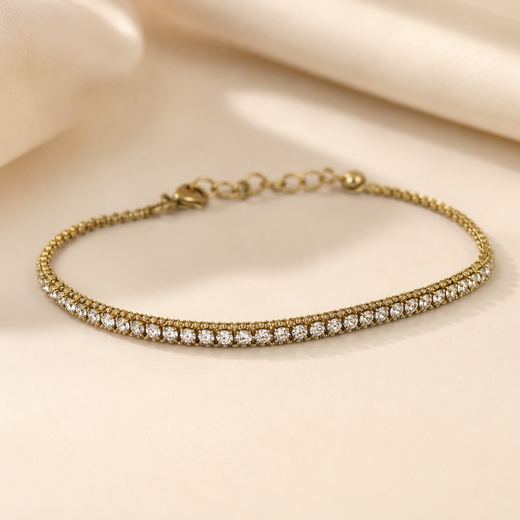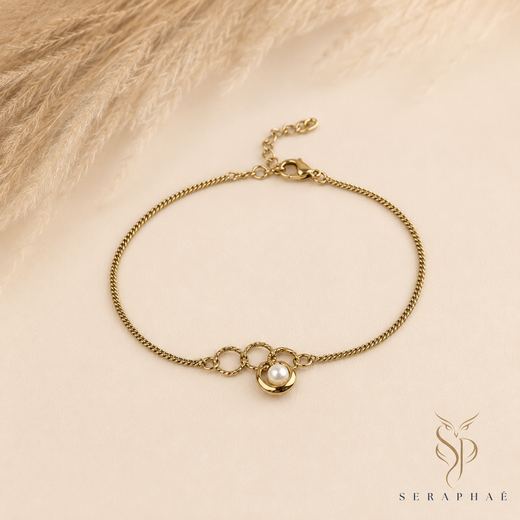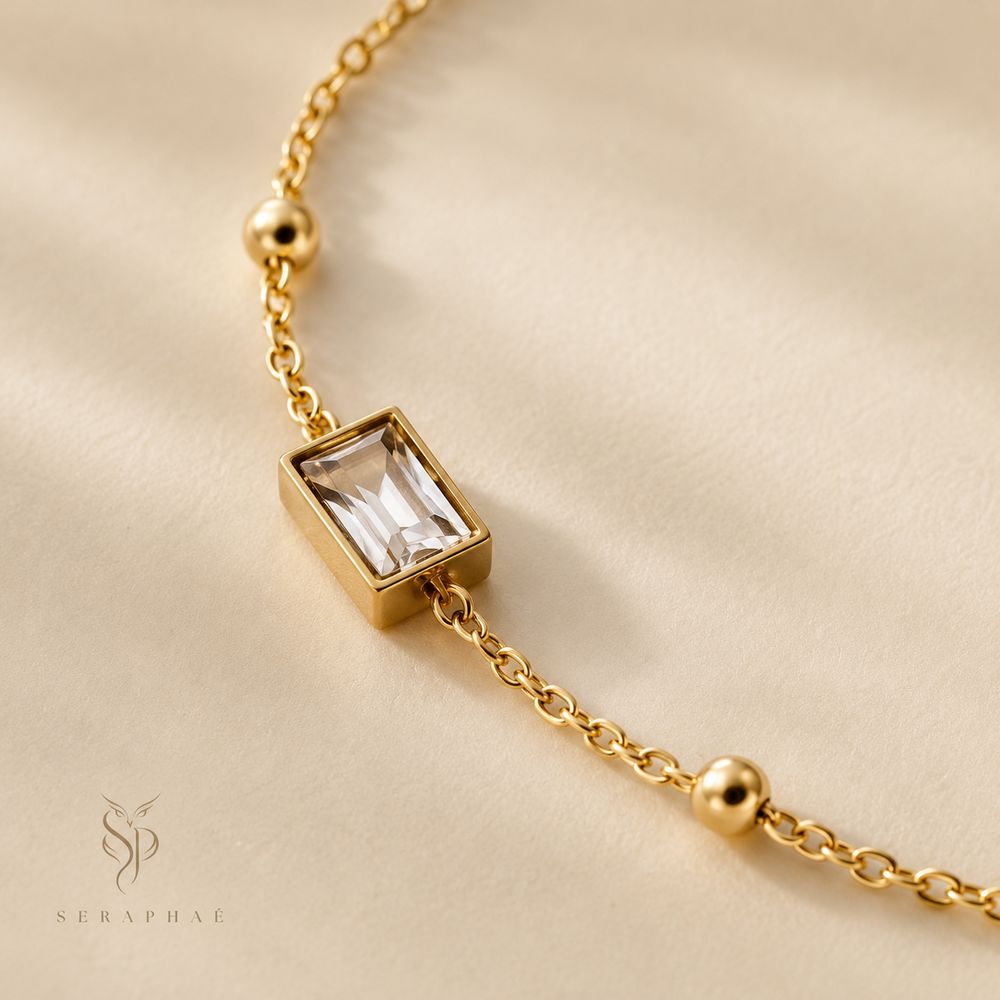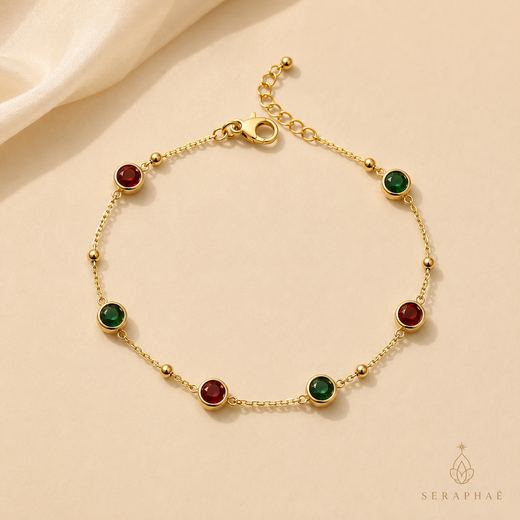
What Is 18k Gold-Plated Jewellery?
By the Seraphaé team · Updated August 2026
If you have ever wondered why one gold-plated chain still looks brilliant after two years while another turned dull in three weeks, the answer is almost always the same three things: the base metal, the thickness of the plating, and the protective finish on top. This guide explains all three in plain language, so you can judge any piece of gold-plated jewellery in India before you spend a rupee.
Gold plating, explained simply
Gold plating is a process called electroplating. A base-metal piece — usually brass, sometimes stainless steel or copper alloy — is submerged in a solution containing gold ions, and an electric current bonds a microscopically thin layer of real gold to the surface. The gold is genuine. What varies enormously between brands is how much gold, and what is underneath it.
Plating thickness is measured in microns (one micron = one-thousandth of a millimetre). This single number explains most of the quality difference you feel in the hand:
- Under 0.5 micron — “flash plating”. This is what most inexpensive market jewellery uses. It looks beautiful in the box and typically begins to wear at friction points within weeks.
- 1–2 microns — standard quality plating. With sensible care this survives regular but occasional wear.
- 2.5 microns and above — premium plating. This is the range serious demi-fine brands work in. It tolerates daily wear, perspiration and normal handling for a long time.
The second variable is the base. Brass is the industry standard because it is dense, takes plating beautifully and has a warm tone that flatters gold. Quality brands use nickel-free brass, which matters enormously for anyone with sensitive skin — nickel is the single most common cause of contact allergy in jewellery.
The karat number is about colour, not quantity
This trips up almost every first-time buyer. When a listing says “18k gold-plated”, the 18k describes the purity of the gold used in the plating layer — 18 karat is 75% pure gold, which produces that rich, warm, slightly deep yellow. It does not tell you how thick the layer is.
So “18k gold-plated” with 0.3-micron plating and “18k gold-plated” with 3-micron plating are described identically but are completely different products. Always look for the micron figure, or at minimum for a brand that talks openly about durability and offers a meaningful guarantee. If a seller cannot tell you the plating thickness, that is itself an answer.
Gold-plated vs gold-filled vs vermeil vs solid gold
These four terms get used loosely in the Indian market. Here is the honest hierarchy:
- Gold-plated: a bonded layer of real gold over base metal. Best value; lifespan depends on plating thickness and care.
- Gold vermeil: gold plating of at least 2.5 microns over sterling silver rather than brass. More expensive because of the silver core.
- Gold-filled: a much thicker gold layer (typically 5% of total weight) mechanically bonded under heat and pressure. Long-lasting, considerably costlier, and relatively rare in India.
- Solid gold: the metal is gold throughout. Permanent, and priced accordingly — a simple 18k solid gold chain often costs 30–60× a comparable plated one.
For most people the practical question is not “which is best” but “which is right for this piece”. A statement earring you will wear a dozen times a year does not need to be solid gold. An everyday chain you never remove is where thicker plating genuinely earns its keep.
Why demi-fine has taken over in India
“Demi-fine” sits deliberately between throwaway fashion jewellery and fine jewellery. The idea is straightforward: use genuinely good materials — thick 18k plating, nickel-free brass, hand-set cubic zirconia, freshwater pearls, natural shell — and real craftsmanship, but skip the precious-metal weight that drives fine jewellery prices into the tens of thousands.
The result is jewellery in the ₹1,000–₹3,000 range that looks and feels like something several times the price, and that you can actually wear to work on a Tuesday without anxiety. For a market like India — where gold prices have made everyday fine jewellery genuinely difficult, and where wedding and festive gold usually stays in the locker — that gap is exactly where demi-fine fits.
What good gold-plated jewellery should cost in India
As a rough guide for well-made, thickly plated, anti-tarnish demi-fine pieces:
- Studs and small earrings: ₹1,000–₹1,800
- Everyday pendants and chains: ₹1,200–₹2,200
- Statement earrings and layered necklaces: ₹1,700–₹2,500
- Bracelets, bangles and cuffs: ₹1,800–₹2,600
Meaningfully below that range and something has been cut — usually plating thickness. Meaningfully above, and you are often paying for a brand name rather than better metal.
How to judge a piece before you buy
- Ask about microns. A brand confident in its plating will publish the number.
- Check the base metal. “Nickel-free brass” should be stated explicitly, not implied.
- Look for anti-tarnish treatment. A protective top coat is what keeps the shine through Indian humidity.
- Inspect the findings. Clasps, ear posts and jump rings are where cheap pieces betray themselves. Posts should feel solid, clasps should close crisply.
- Read the return policy. A brand that stands behind durability will say so in writing.
Realistic expectations
Well-made, thickly plated jewellery that is cared for sensibly will hold its finish for years. But no plated piece is indestructible — plating is a surface, and surfaces wear. Chlorine, perfume sprayed directly onto metal, harsh cleaning chemicals, and constant abrasion will shorten the life of any plating regardless of price.
The good news is that the care required is genuinely trivial: take it off before swimming and showering, put perfume on first and jewellery second, and wipe it with a soft dry cloth before it goes back in its pouch. That is the entire routine, and it is the difference between two years and ten.
Frequently asked questions
Is 18k gold-plated jewellery real gold?
Yes — the plating layer is genuine 18k gold (75% pure) bonded to a base metal, usually nickel-free brass. The “18k” describes the purity of the gold used in the plating, not how thick that layer is, which is why plating thickness in microns matters just as much.
How long does gold-plated jewellery last?
It depends almost entirely on plating thickness and care. Flash plating under 0.5 micron can wear within weeks; premium plating of 2.5 microns or more, worn sensibly and kept away from water, perfume and chemicals, holds its finish for years.
Will gold-plated jewellery turn my skin green?
Good-quality plating over nickel-free brass with an anti-tarnish coat should not. Green marks are usually caused by very thin plating wearing through to the copper-bearing base metal, often accelerated by moisture, sweat or perfume.
Is gold-plated jewellery worth buying in India?
For everyday and occasion wear, yes. Demi-fine gold-plated jewellery gives you the look and feel of fine jewellery at roughly a thirtieth of the price, which makes it practical to actually wear daily rather than keep locked away.