Demi-Fine vs Fashion vs Fine Jewellery
By the Seraphaé team · Updated August 2026
“Demi-fine” is a relatively new category in India, and the confusion is understandable. Here is the practical difference between the three tiers — and, more usefully, how to decide which tier a given purchase actually deserves.
The three tiers
Fine jewellery
Made from precious metals — solid gold (14k, 18k, 22k), platinum, sometimes solid sterling silver — and set with precious or semi-precious stones. It carries intrinsic metal value, can be insured and resold, and lasts indefinitely with maintenance. In India this is the wedding and inheritance category: mangalsutras, bridal sets, gold bangles bought as savings.
Typical price: ₹25,000 upwards, frequently into lakhs.
Best for: weddings, heirlooms, milestone gifts, pieces you intend to keep permanently.
Demi-fine jewellery
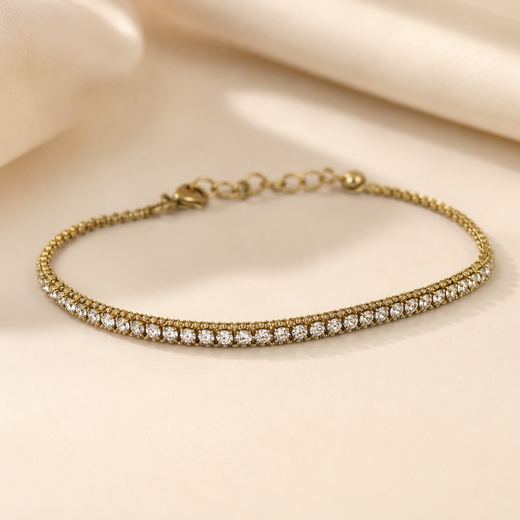
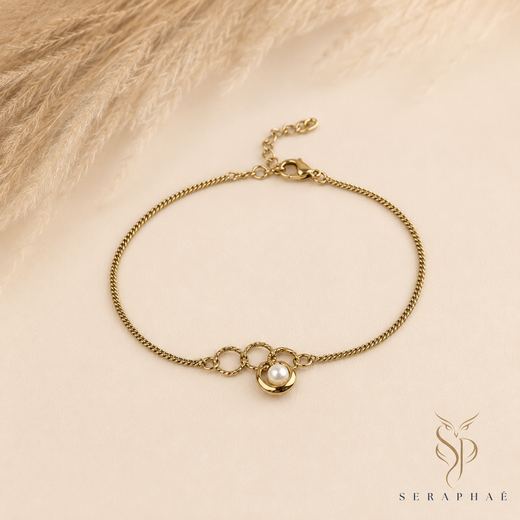
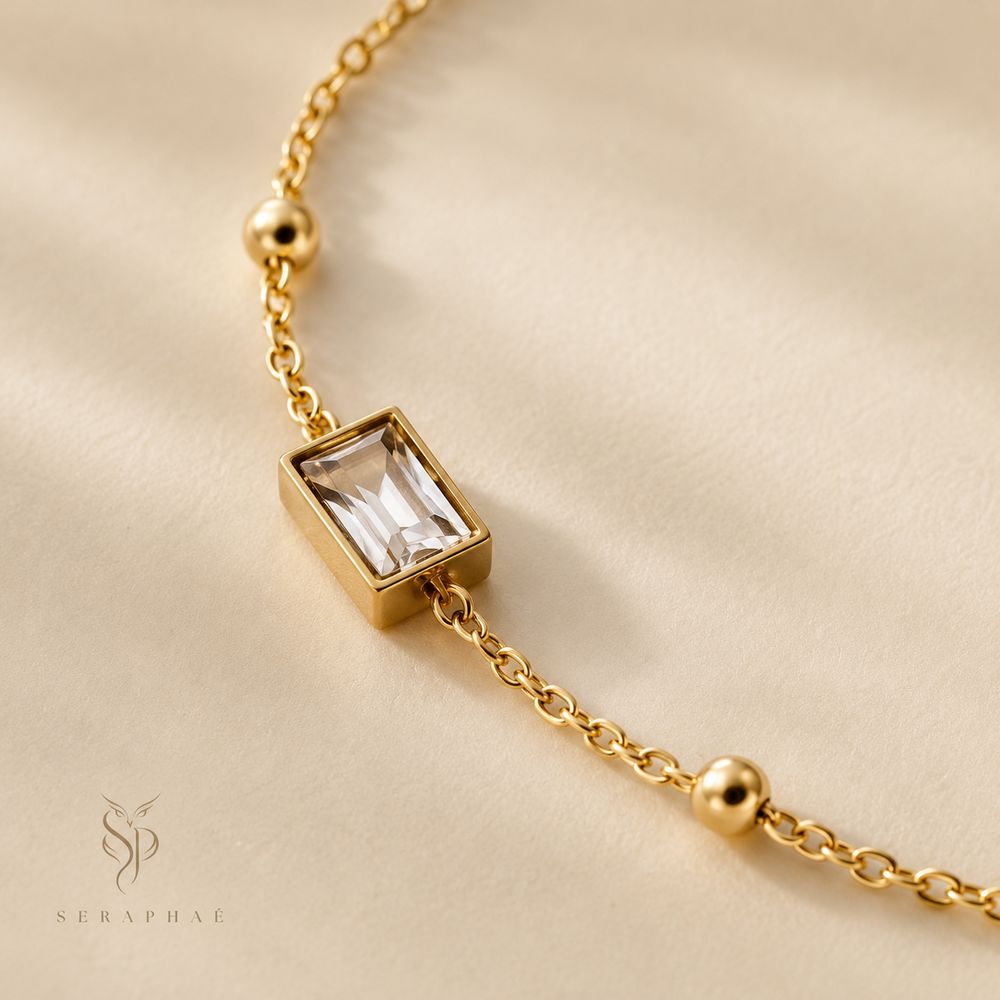
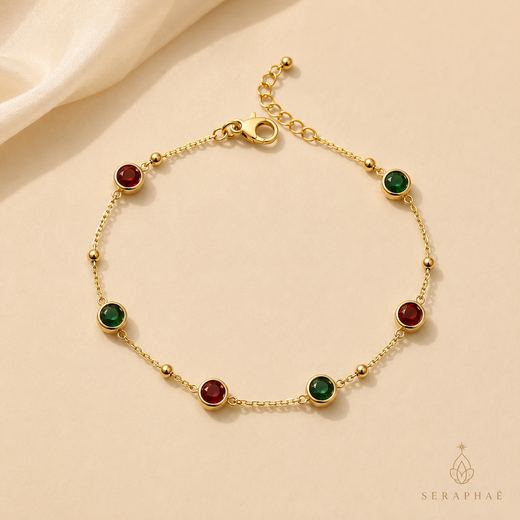
The middle tier, and the fastest-growing one. Thick 18k gold plating (typically 2.5 microns or more) over nickel-free brass, set with hand-cut cubic zirconia, freshwater pearls, mother-of-pearl and natural shell. The materials are genuine and the construction is properly finished, but there is no precious-metal core driving the price.
Typical price: ₹1,000–₹3,000.
Best for: everyday wear, work, gifting, following trends, building a wardrobe you actually use.
Fashion / costume jewellery
Base metal alloys with very thin plating or none at all, plastic or glass stones, minimal finishing. Designed to be inexpensive and current rather than durable.
Typical price: ₹100–₹800.
Best for: a single event, a specific outfit, experimenting with a trend you are not committed to.
Side by side
| Fashion | Demi-fine | Fine | |
|---|---|---|---|
| Base metal | Mixed alloys, often nickel | Nickel-free brass | Solid gold / platinum |
| Gold content | Flash plating or none | 2.5 micron+ 18k plating | Solid throughout |
| Stones | Plastic, glass | Cut CZ, pearl, shell | Diamond, precious stones |
| Lifespan | Weeks to months | Years with care | Generations |
| Sensitive skin | Frequently a problem | Generally safe | Generally safe |
| Resale value | None | None | Substantial |
| Price | ₹100–₹800 | ₹1,000–₹3,000 | ₹25,000+ |
How to decide, honestly
The useful question is not “which tier is best” — it is “how many times will I wear this, and how much do I want to think about it?”
- Daily wear you never take off — a signature chain, everyday studs. Demi-fine or fine. This is where thin plating fails fastest and where the cost-per-wear of good quality is lowest.
- Work and social wear — demi-fine. Looks considered, costs little enough that losing an earring is annoying rather than devastating.
- One specific outfit or a passing trend — fashion jewellery is entirely rational here. There is no sense buying durability you will not use.
- Weddings, anniversaries, inheritance — fine jewellery, if the budget exists. Intrinsic value and permanence are the point.
The cost-per-wear argument
A ₹300 pair of earrings worn five times before the plating goes costs ₹60 per wear. A ₹1,500 pair worn twice a week for two years costs about ₹7 per wear. This is the entire economic case for demi-fine, and it holds up for anything you wear regularly.
It stops holding up for things you wear rarely. If a piece is for one function, the cheaper option genuinely is the smarter one.
Why demi-fine suits India specifically
Gold prices have made everyday fine jewellery impractical for most people, and the gold that families do own typically stays locked away. That leaves a gap: people want to wear jewellery daily — to work, to college, to dinner — without wearing something irreplaceable.
Demi-fine fills that gap precisely. It also suits the way jewellery is now bought: online, in response to a trend, in small frequent purchases rather than one large annual one. And crucially, it addresses the sensitive-skin problem that makes cheap costume jewellery unwearable for a large minority of people.
What to check before buying demi-fine
- Plating thickness stated in microns. Vagueness here usually means thin plating.
- Base metal named explicitly — “nickel-free brass”, not “alloy”.
- Anti-tarnish treatment, which is what survives Indian humidity.
- Quality of findings — clasps, posts, jump rings. Cheap pieces fail here first.
- A real returns policy, clearly written.
If a seller cannot answer the first two questions, you are almost certainly looking at fashion jewellery priced as demi-fine — which is the one genuinely bad outcome in this category.
Frequently asked questions
What is demi-fine jewellery?
Demi-fine sits between costume and fine jewellery: thick 18k gold plating (usually 2.5 microns or more) over nickel-free brass, set with cut cubic zirconia, freshwater pearls or shell. It has the look and durability of fine jewellery without a precious-metal core, typically costing ₹1,000–₹3,000.
Is demi-fine jewellery worth the money?
For anything you wear regularly, yes. A ₹1,500 piece worn twice a week for two years works out to roughly ₹7 per wear, against ₹60 per wear for a ₹300 piece that fails after five outings. For a single event, cheaper fashion jewellery is the more rational choice.
What is the difference between demi-fine and artificial jewellery?
Artificial or costume jewellery uses mixed alloys with very thin or no plating and plastic or glass stones, and lasts weeks to months. Demi-fine uses nickel-free brass with thick 18k plating and real stones, and lasts years with basic care.
Does demi-fine jewellery have resale value?
No. Unlike solid gold, demi-fine has no intrinsic metal value and cannot be resold or exchanged for its weight. You buy it to wear, not as a store of value — which is exactly why it costs a fraction of fine jewellery.