Everyday & Office Jewellery
By the Seraphaé team · Updated August 2026
Most people own far more jewellery than they wear, and the pieces that get used are almost never the expensive ones. The fix is not buying more — it is owning a small set of genuinely versatile pieces and knowing how to combine them.
The seven-piece everyday wardrobe
These seven cover the overwhelming majority of daily situations:
- Small studs. CZ solitaires or plain gold-tone. Worn more than anything else you will own.
- Hoops, small to medium. The single most versatile earring shape. Smart enough for a meeting, relaxed enough for a weekend.
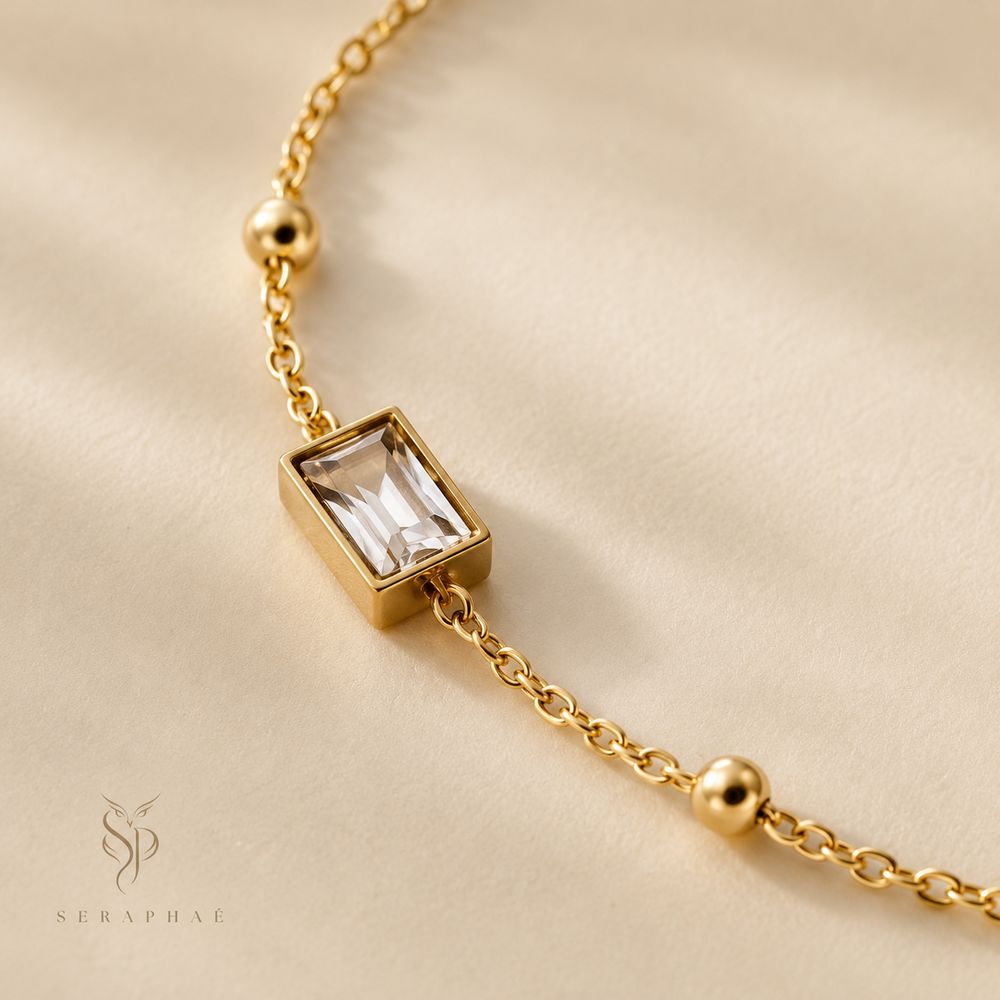
- A fine chain, 16–18 inches. Worn alone or as a layering base.
- A pendant. One piece with some personality — a stone, a motif, something that means something.
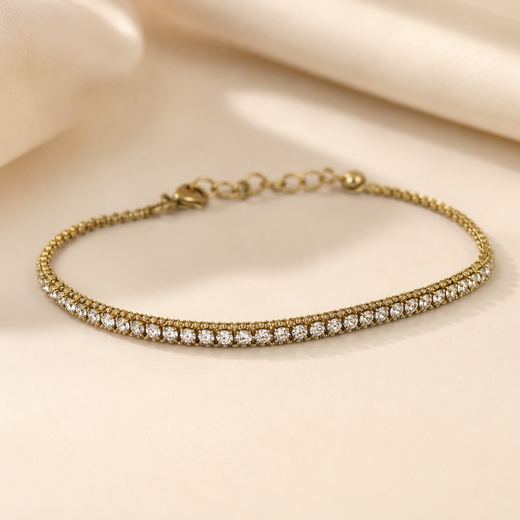
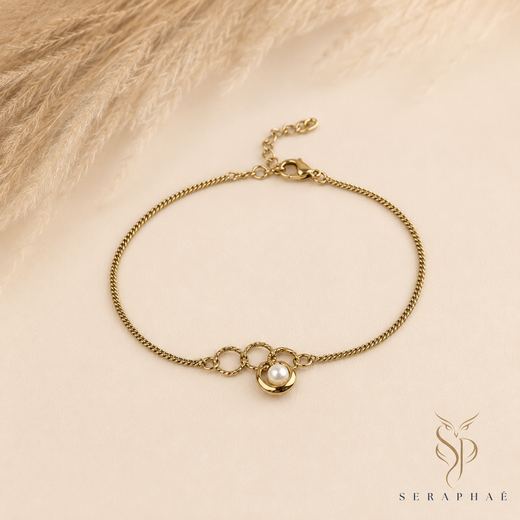
- A thin bangle or cuff. Adds finish without noise.
- A simple ring or two. A plain band and one with detail, stackable together.
- One statement piece. Bold earrings, usually. For the days that need lifting.
Seven pieces, all demi-fine, comes to roughly ₹10,000–₹14,000 — and will genuinely be worn, unlike a single expensive item kept for occasions that rarely arrive.
What actually reads as “professional”
Indian workplaces vary enormously, from formal corporate to creative studios to hospitals with strict jewellery policies. But some principles hold broadly:
- Silence matters. Jewellery that jangles is distracting in meetings. Multiple loose bangles are lovely socially and a liability at a desk.
- Nothing that swings dramatically. Very long drop earrings pull focus during conversation.
- Watch the hands. If you type, present or shake hands often, keep rings low-profile — large stones catch on keyboards and sleeves.
- One focal point. Statement earrings or a statement necklace, not both.
- Consider the lanyard. If you wear an ID badge, a necklace will usually fight with it. Earrings are the better investment for badge-wearing workplaces.
A simple formula
When you cannot decide, this works almost every time:
Studs or small hoops + one necklace + one ring.
Three points of interest, evenly distributed, nothing competing. Swap the studs for statement earrings and drop the necklace when you want more presence.
Styling with Indian workwear
Kurta with palazzo or trousers: the neckline is usually high, so either skip the necklace or go long enough that it falls clear of the fabric. Earrings carry this look best — jhumkas or hoops.
Saree at work: keep it restrained. Studs and a fine chain, or statement earrings alone. Formal office sarees do not need the full set.
Western formals: a collared shirt suits a fine chain worn inside or a short pendant over. Blazers work well with hoops, since the necklace is usually hidden anyway.
Casual Fridays and denim: where layered chains and stacked rings earn their place.
Building up over time
If you are starting from nothing, buy in this order. Each addition multiplies with what you already own:
- Small studs — worn immediately and constantly.
- Medium hoops — covers everything the studs do not.
- A fine chain — begins the necklace wardrobe.
- A pendant — adds personality, layers with the chain.
- A ring — adds a third dimension to any look.
- A bangle — completes the set.
- A statement piece — once the basics are covered.
The practical care habit
Jewellery worn daily takes more punishment than occasion pieces. Two habits protect it: take everything off before showering and sleeping, and keep a soft cloth in your jewellery drawer to wipe pieces before they go back. Ten seconds a day is the entire maintenance cost of a wardrobe that lasts years.
For daily-wear pieces specifically, plating thickness is the specification worth paying for. It is the difference between a chain that still looks new after two years of constant wear and one that needs replacing every season.
Frequently asked questions
What jewellery is appropriate for the office?
Small studs or hoops, a fine chain or short pendant, and a low-profile ring. Avoid pieces that jangle, swing dramatically or catch on keyboards, and keep to one focal point — statement earrings or a statement necklace, not both.
What jewellery should I buy first?
Small studs, then medium hoops, then a fine chain. These three cover the majority of daily situations and everything you add afterwards layers with them. A pendant, a ring, a bangle and one statement piece complete a seven-piece wardrobe.
What jewellery goes with a kurta for work?
Kurtas usually have high necklines, so either skip the necklace or wear one long enough to fall clear of the fabric. Earrings carry the look best — hoops or jhumkas — and keep the rest restrained.
Is gold-plated jewellery suitable for daily wear?
Yes, provided the plating is thick — 2.5 microns or more. Daily wear is exactly where plating thickness matters most, since thin flash plating wears through at friction points within weeks.