
Anti-Tarnish Jewellery
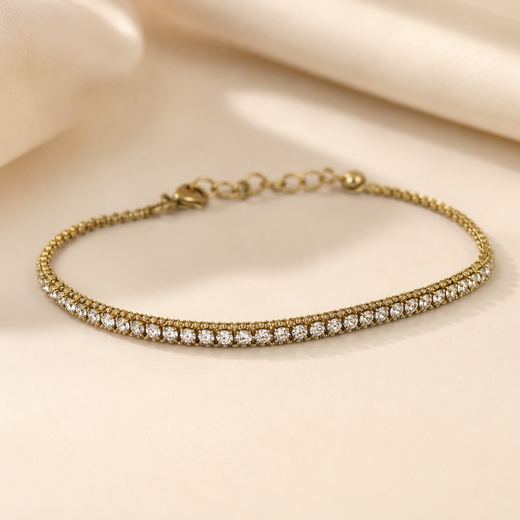
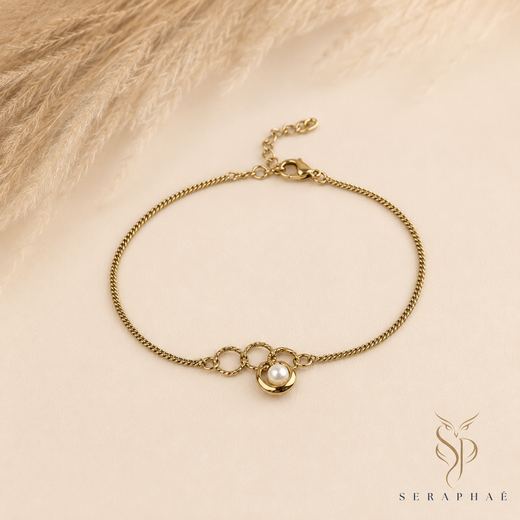
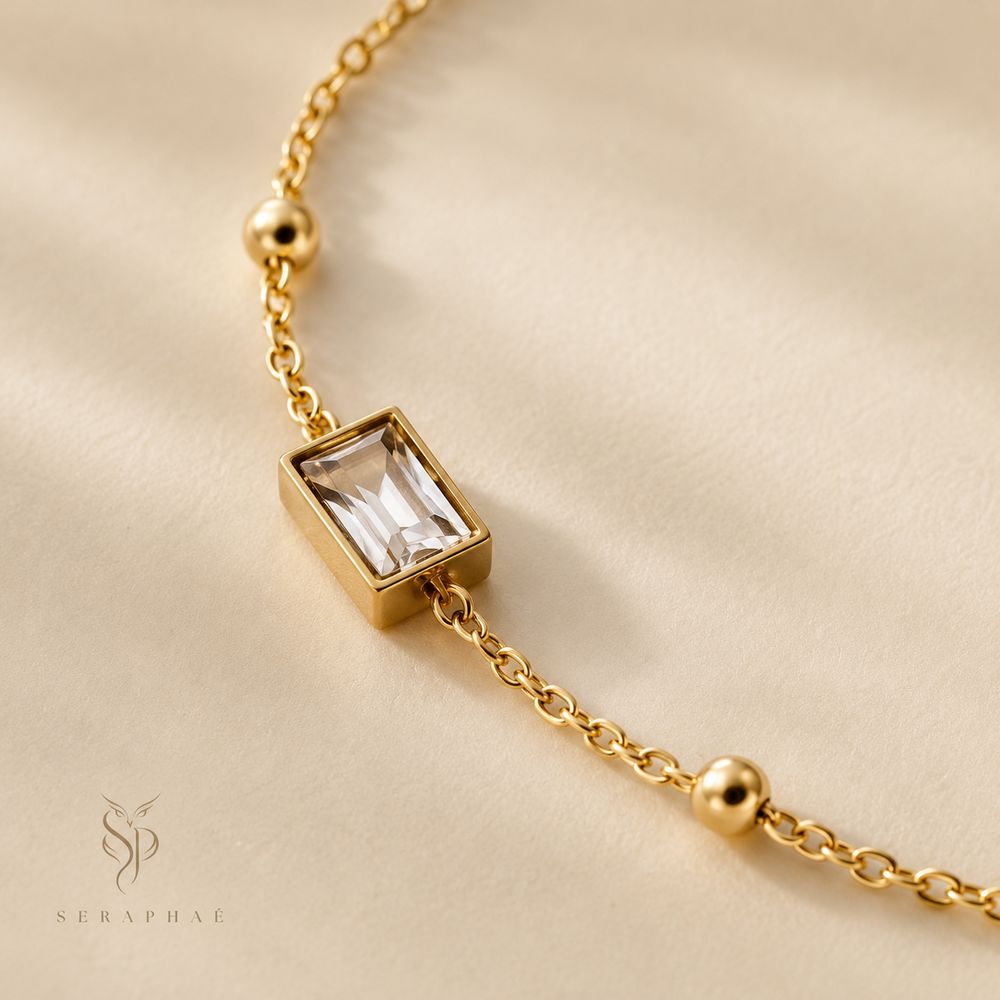
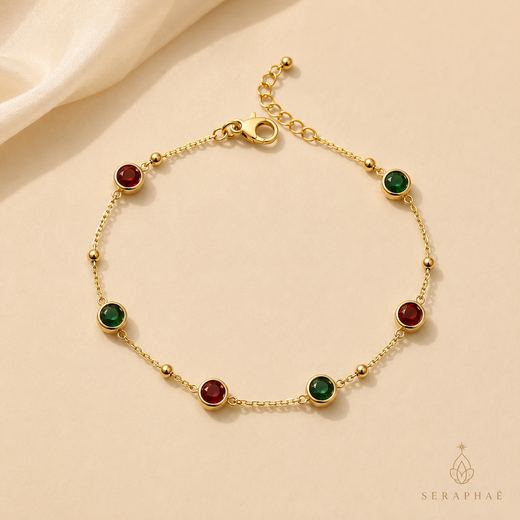
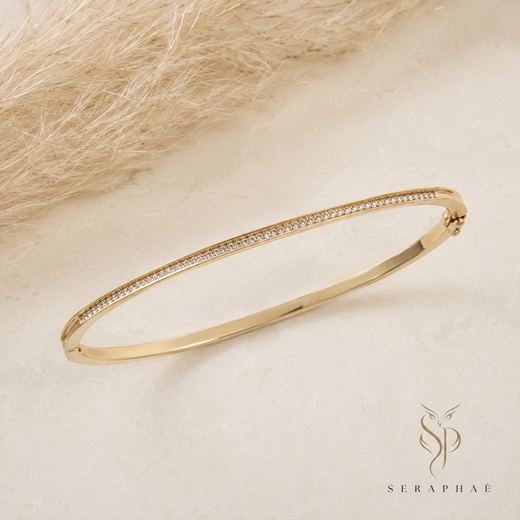
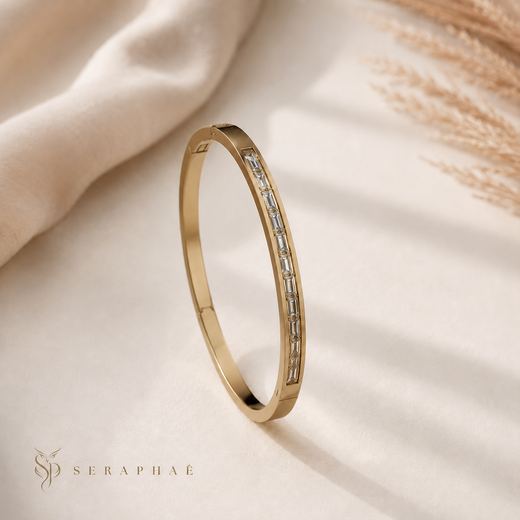
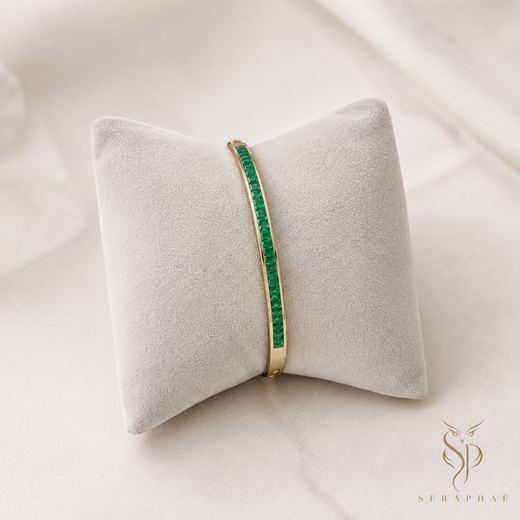
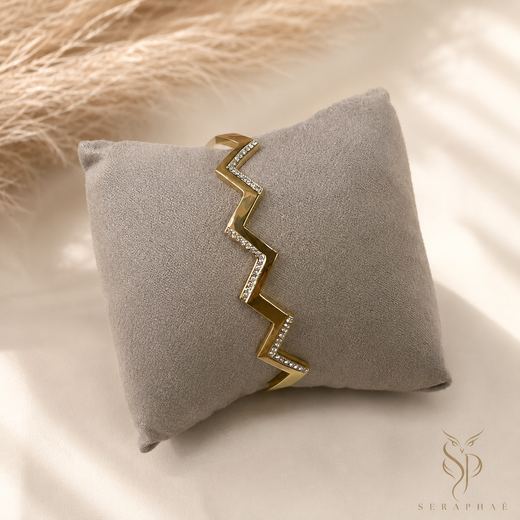
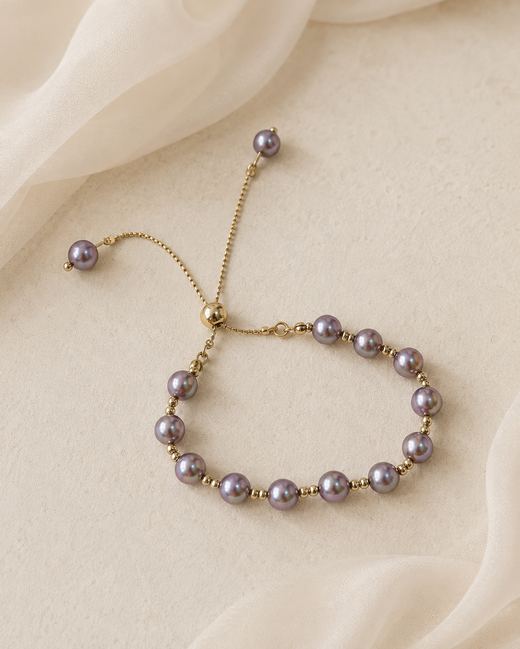
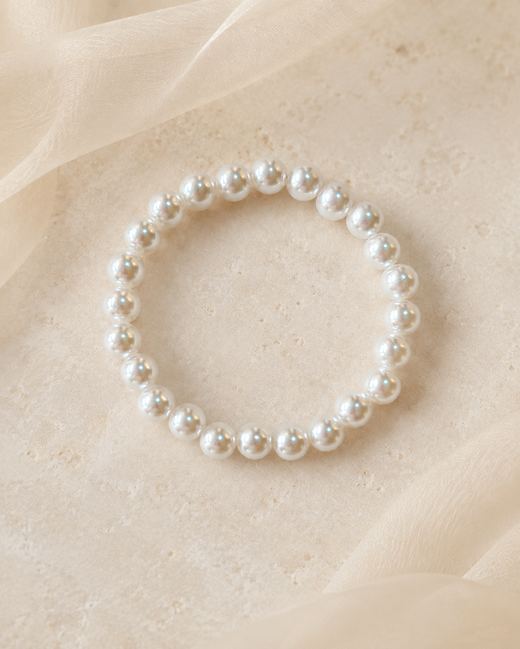
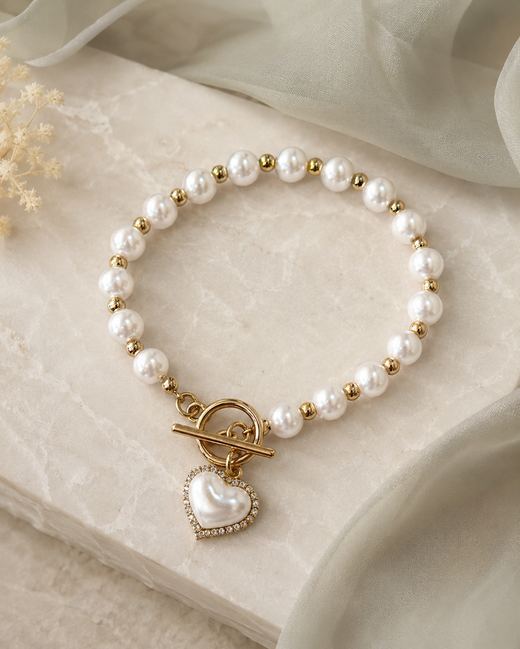
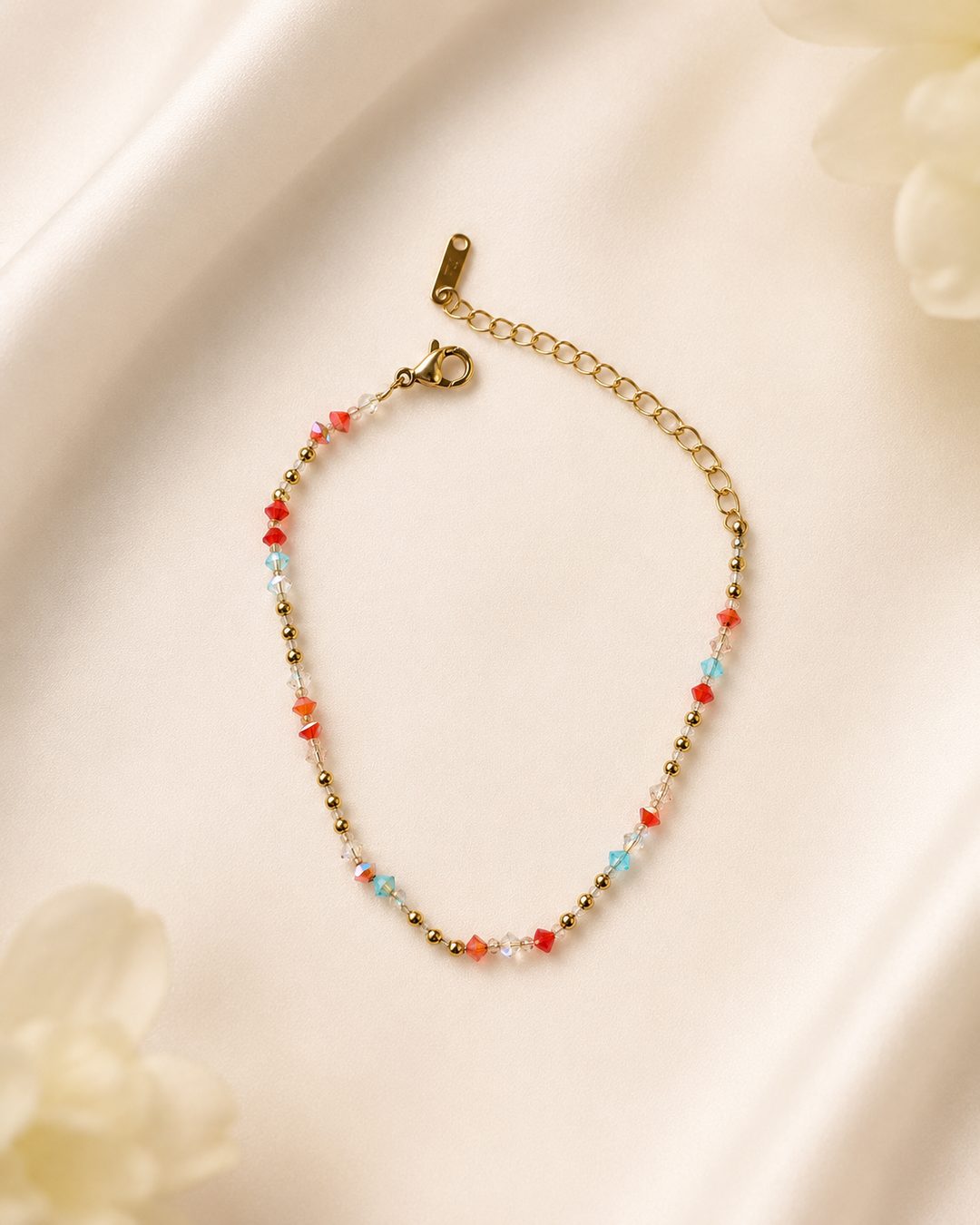
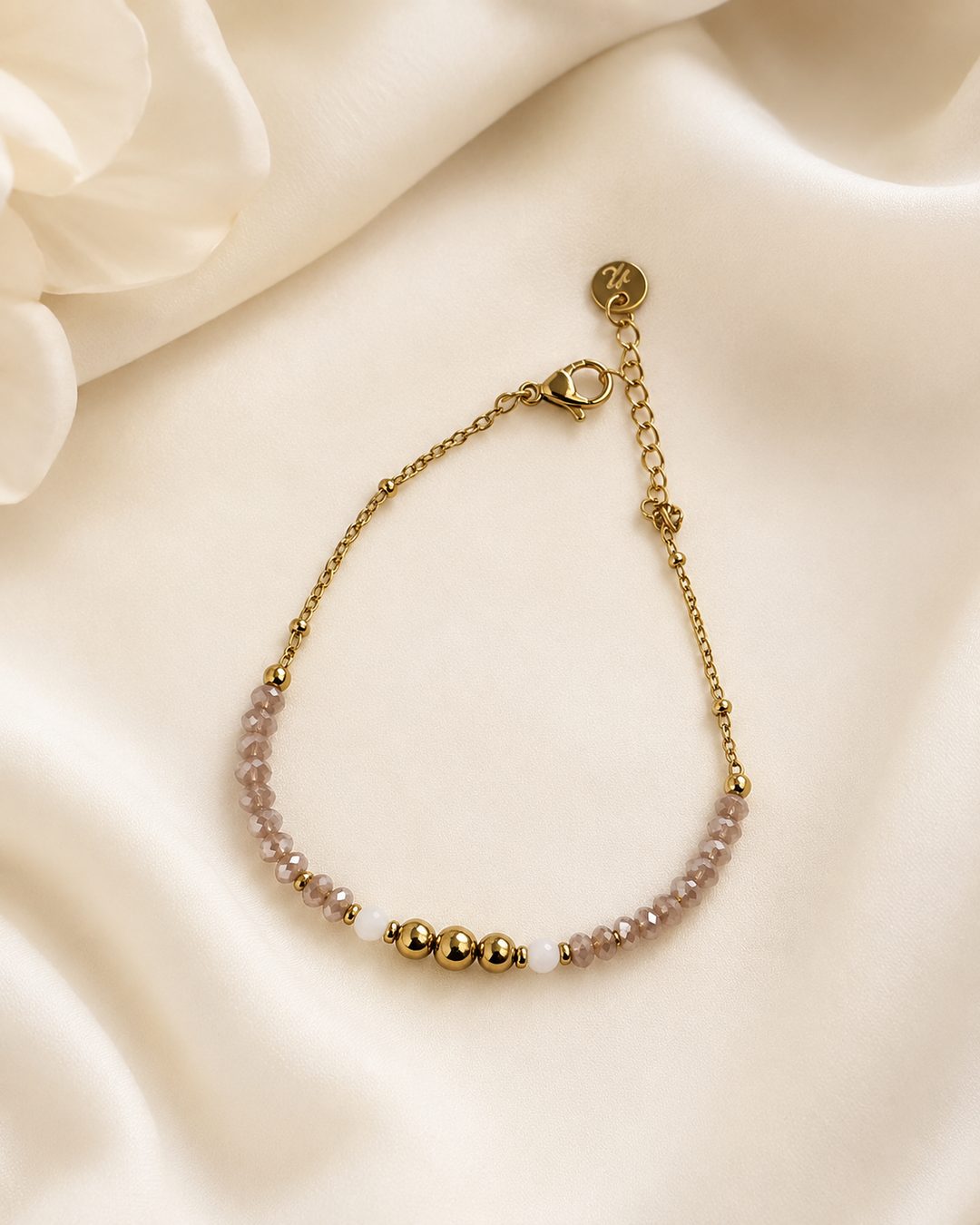
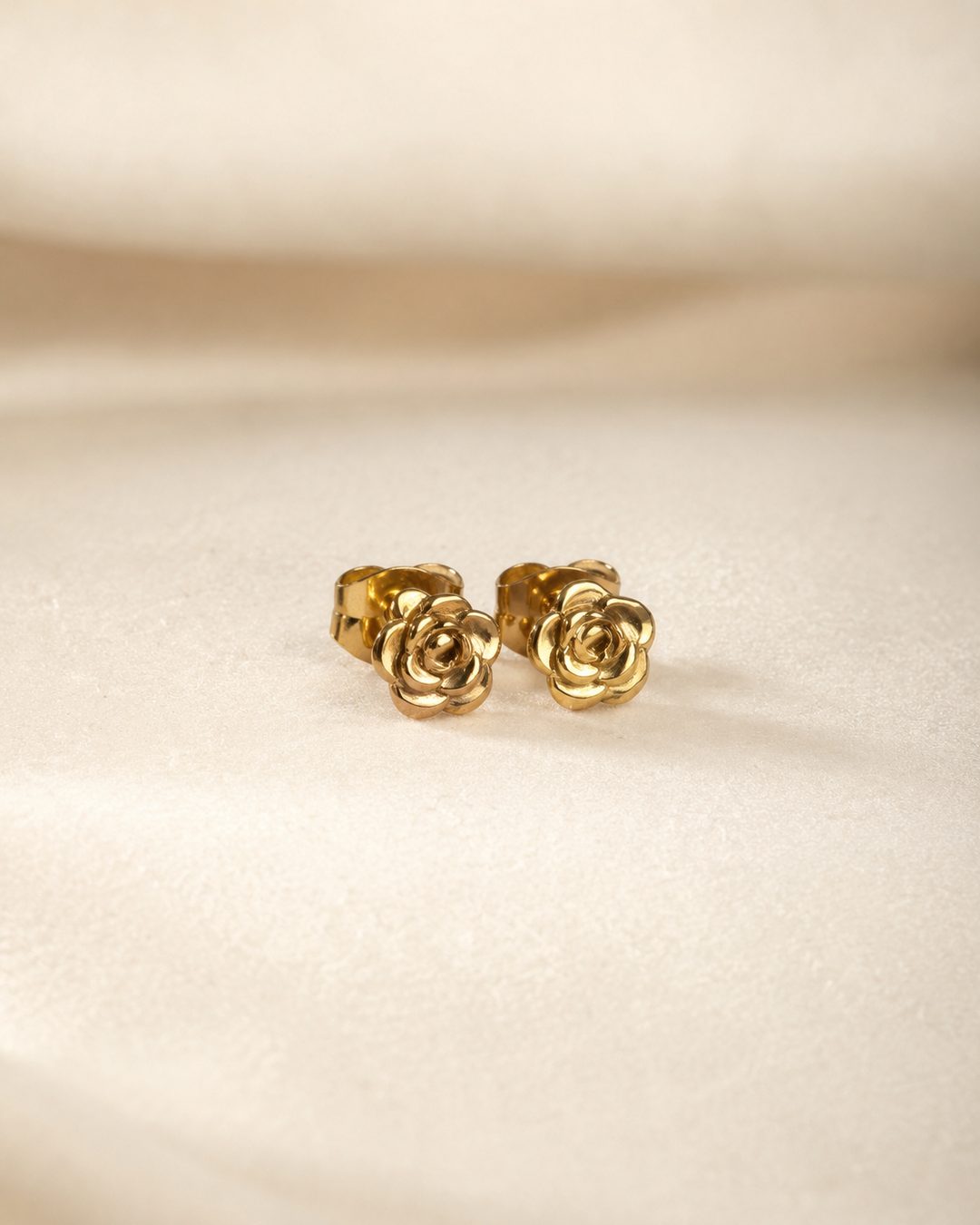
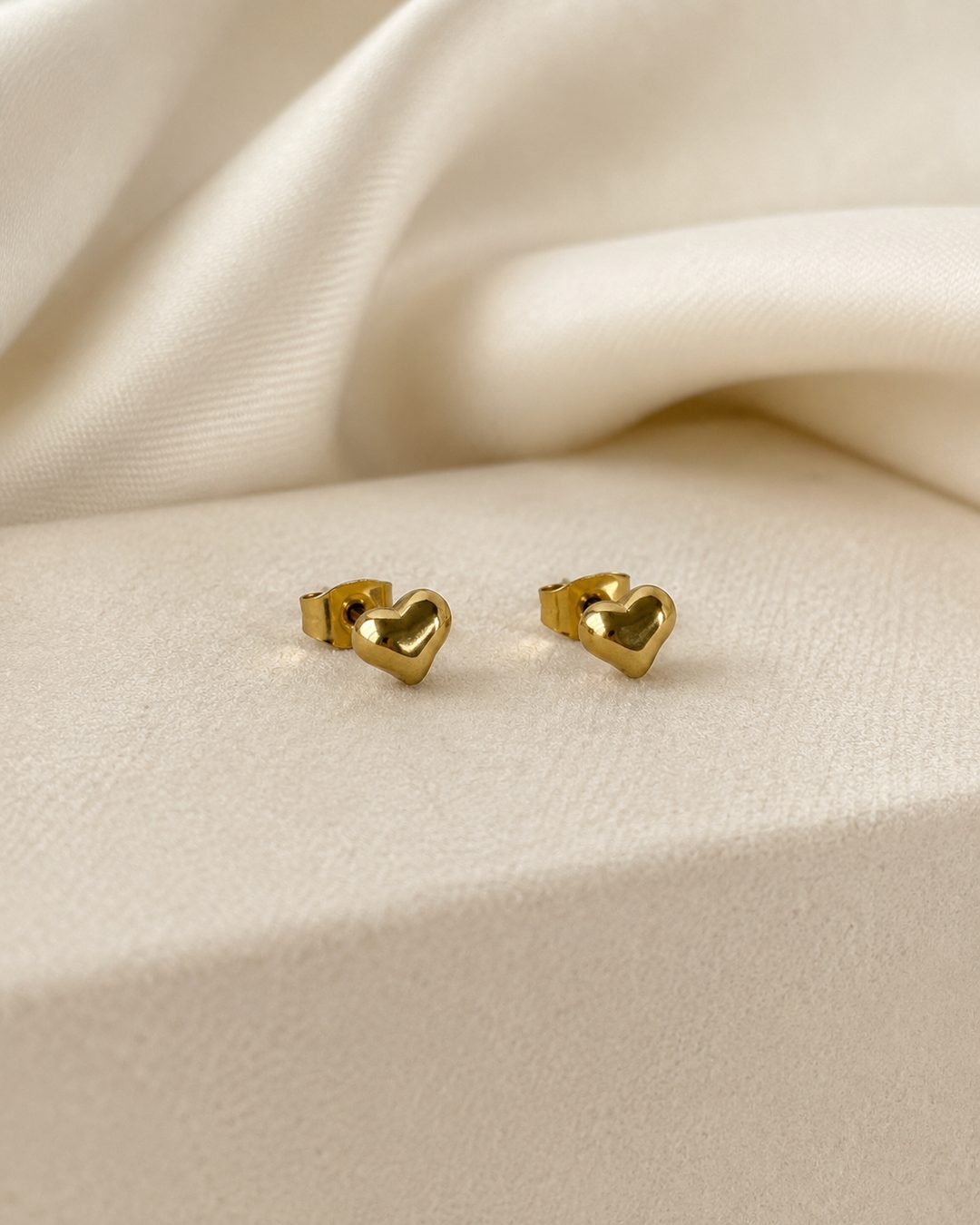
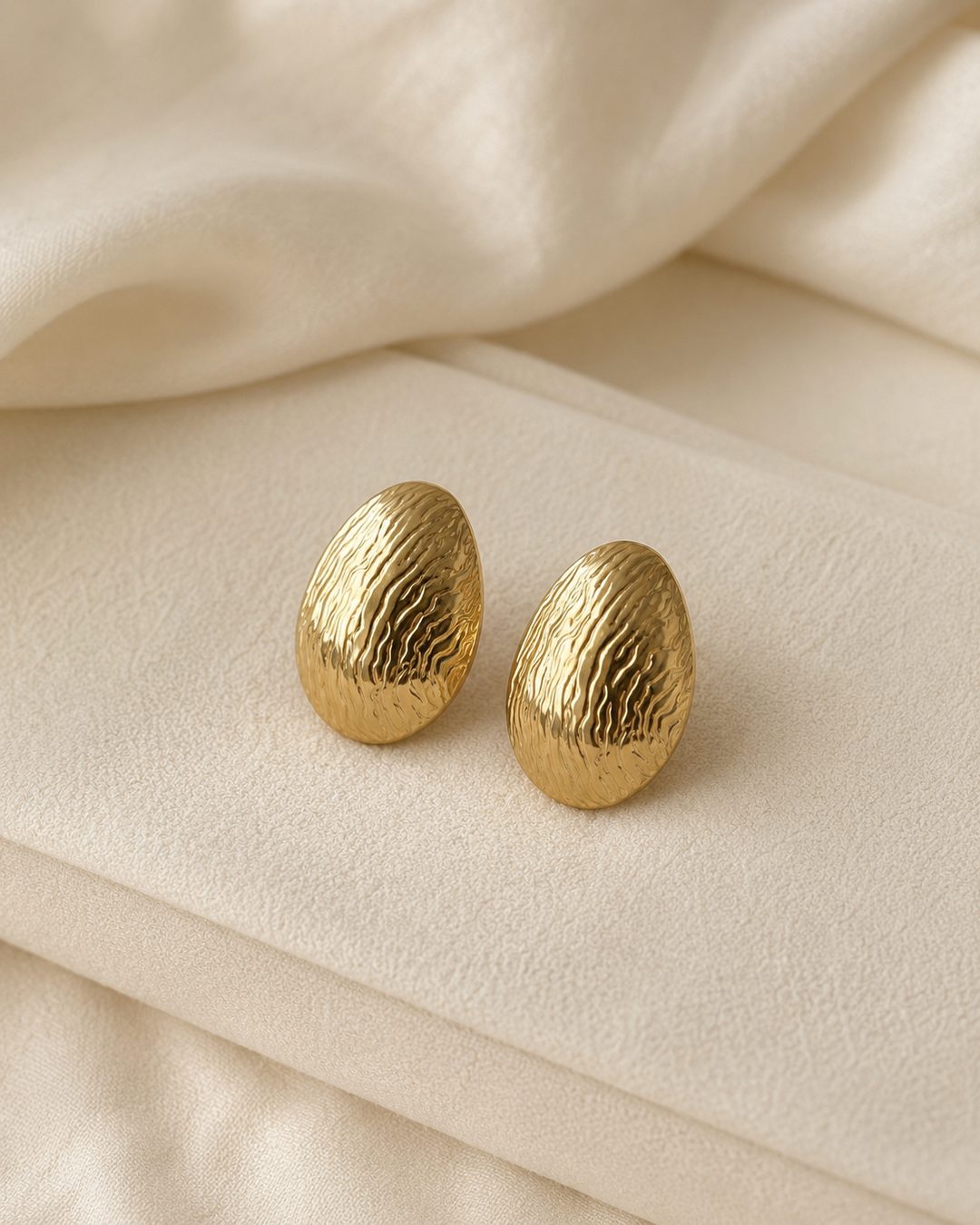
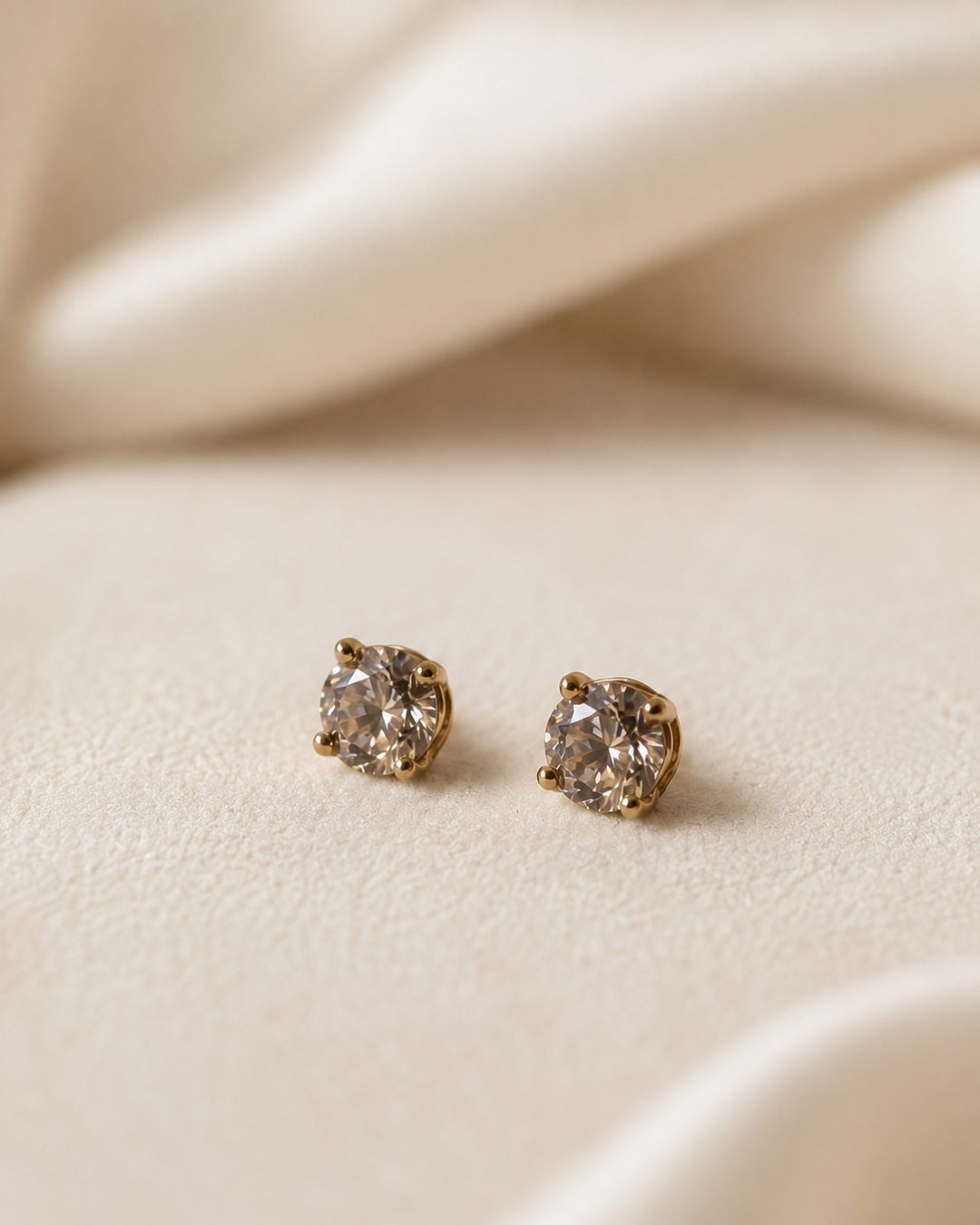
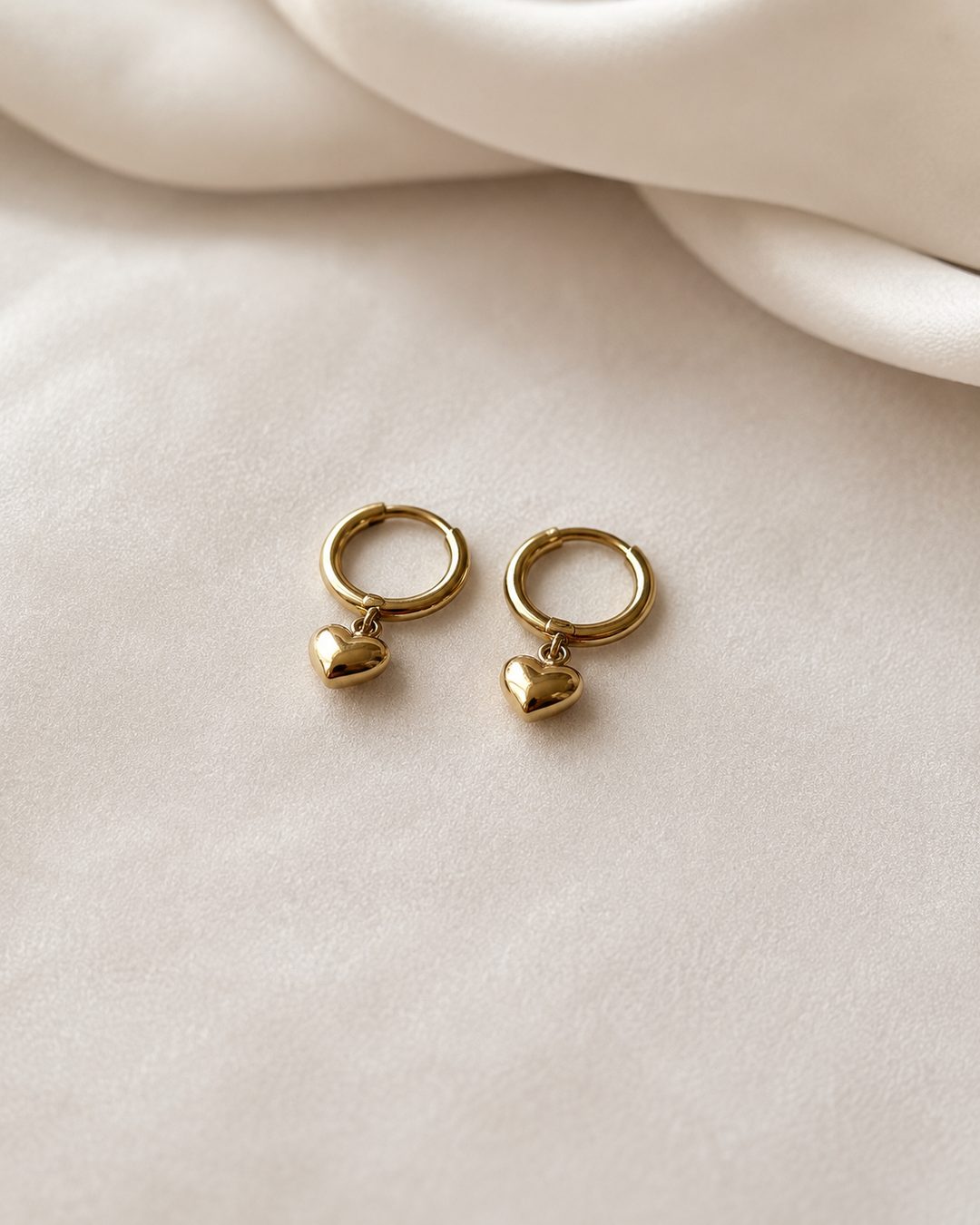
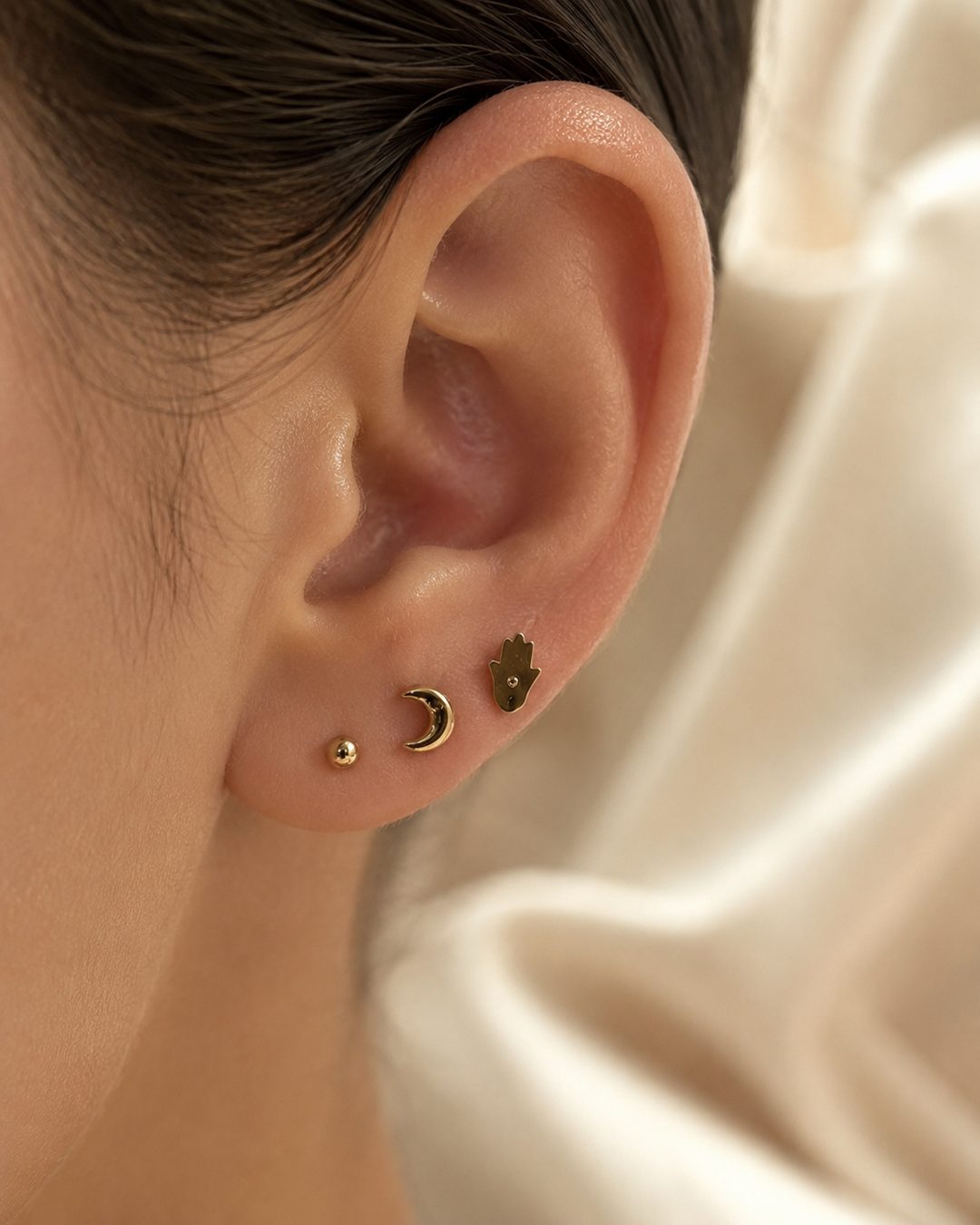
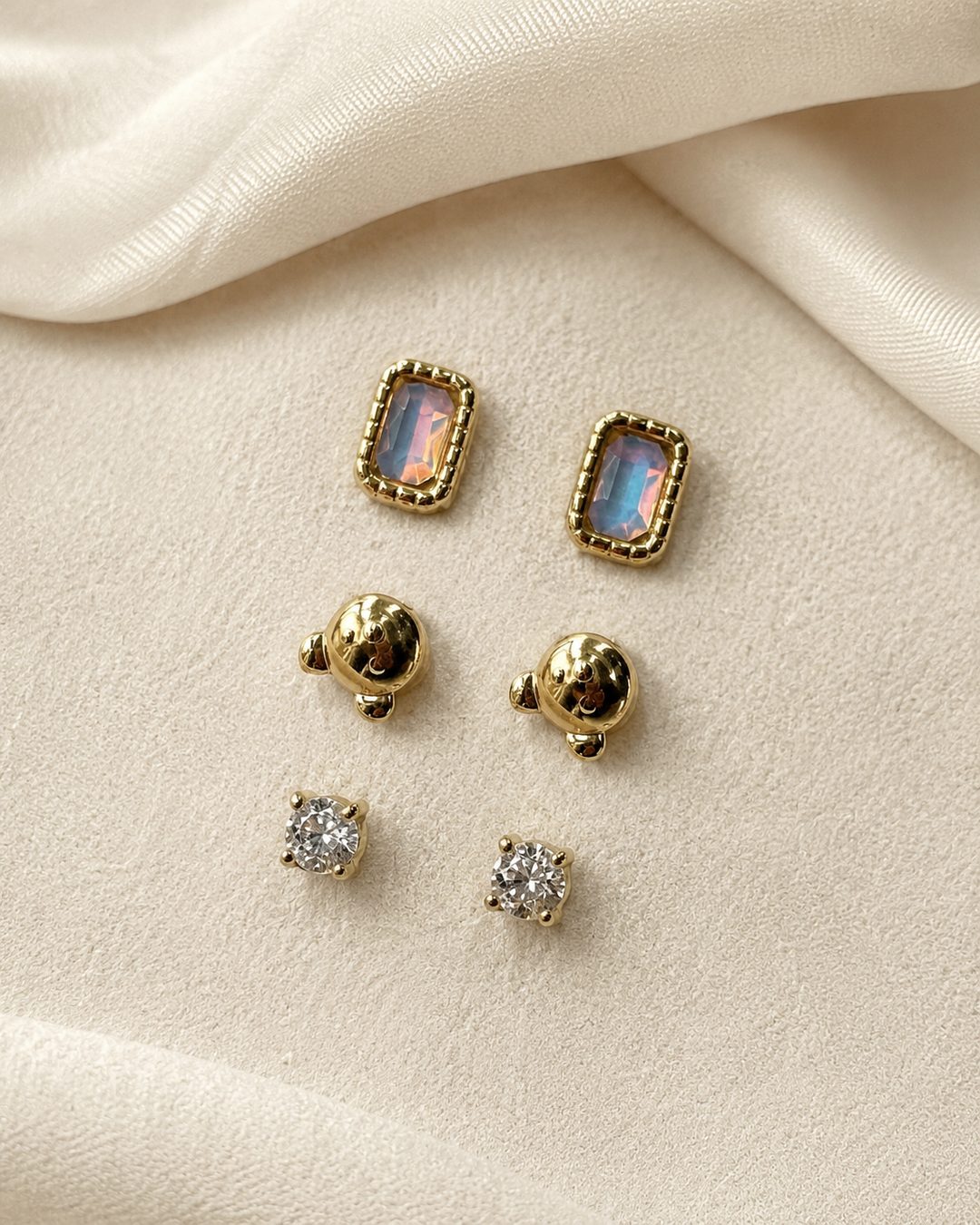
Jewellery that keeps its colour through Indian humidity, sweat and daily wear. Every Seraphaé piece carries an anti-tarnish finish over 18k gold plating and a nickel-free brass base. 132 pieces, ₹249–₹2,199.
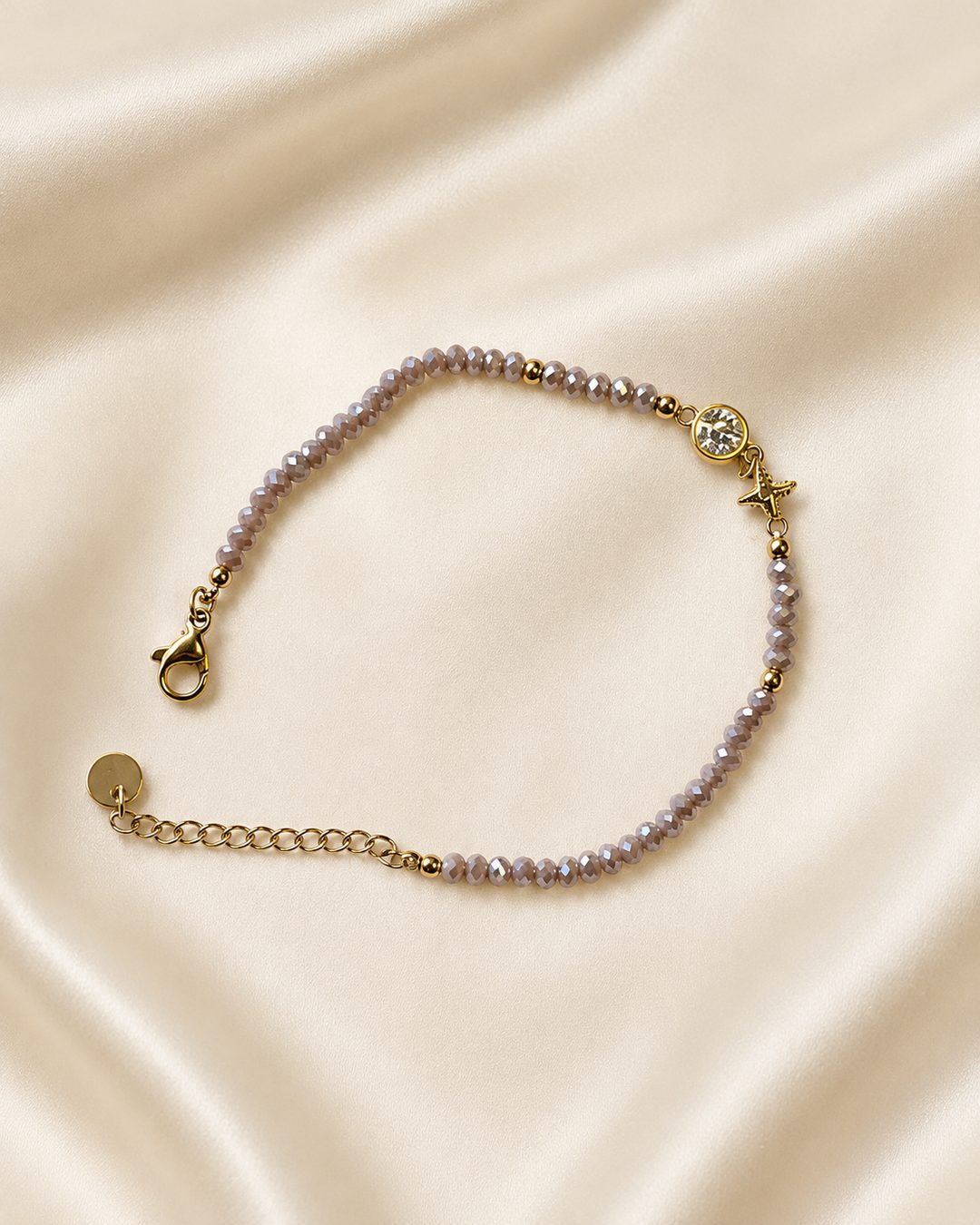
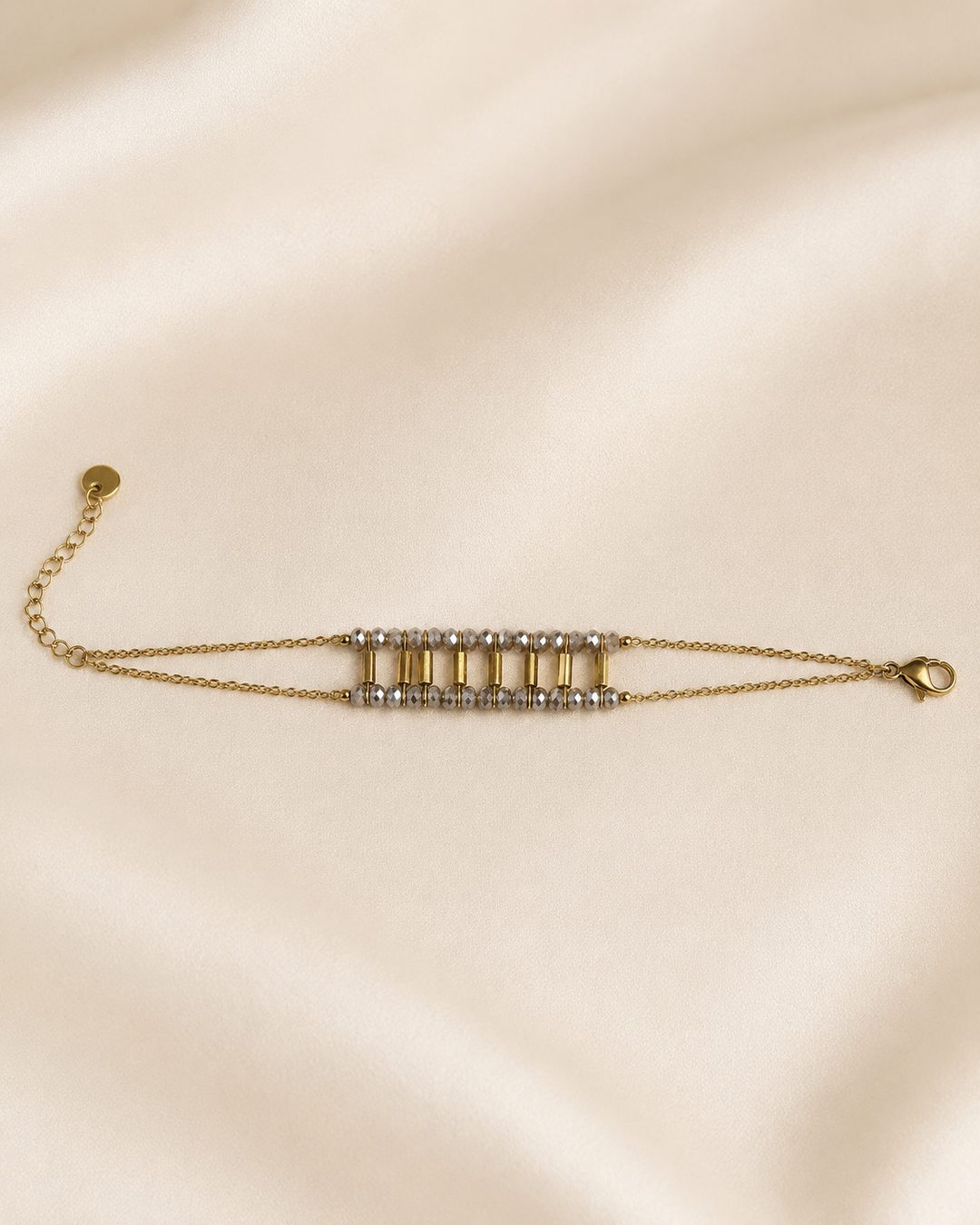
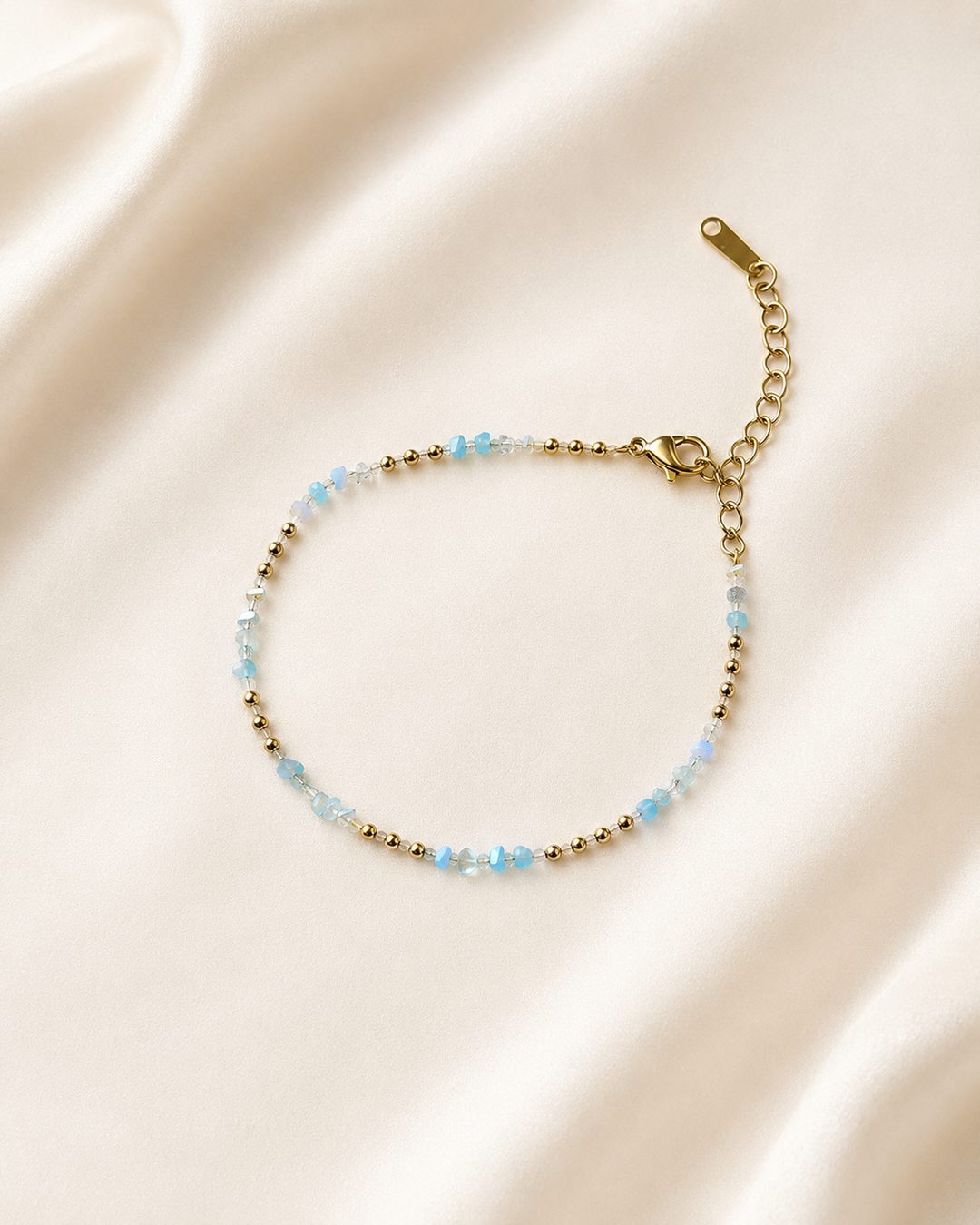
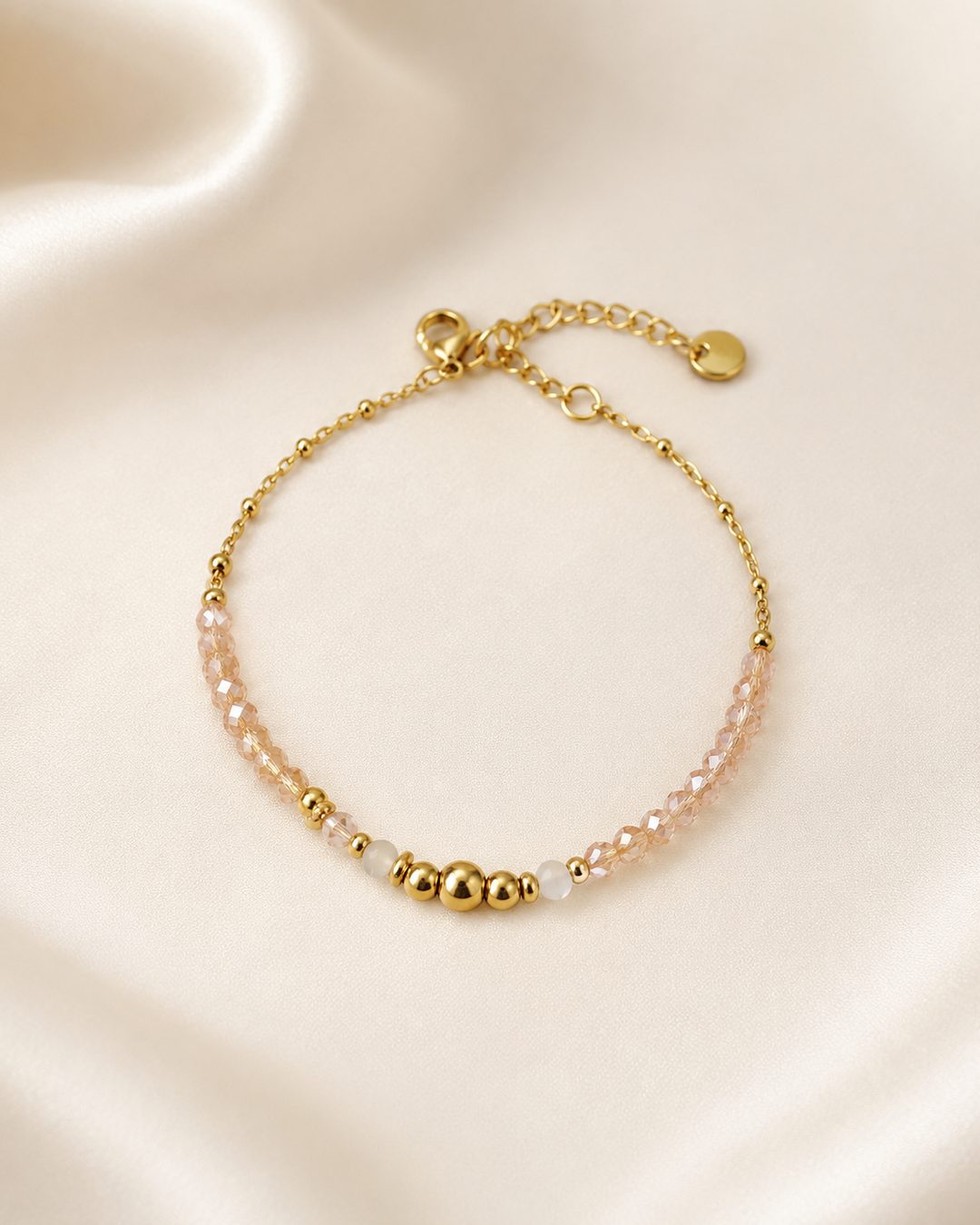
What “anti-tarnish” actually means
Tarnish is oxidation — the reaction between metal, moisture and sulphur compounds in the air. It is what turns ordinary artificial jewellery black within weeks, and it happens fastest in exactly the conditions most of India lives in: heat, humidity and monsoon damp.
An anti-tarnish finish is a clear protective coat applied over the gold plating. It does not make jewellery indestructible, but it dramatically slows the reaction, which is the difference between a piece lasting a season and lasting years. Combined with plating thick enough not to wear through at friction points, it is the single most important specification in this category.
Why the base metal still matters
Anti-tarnish coating protects the surface; the base metal determines what happens if that surface ever wears. Cheap artificial jewellery uses unspecified alloys that frequently contain nickel — the metal responsible for the large majority of jewellery allergies — and copper, which is what leaves green marks on skin. Every piece here is built on nickel-free brass, so even at a worn friction point there is no allergen underneath.
Keeping it that way
The habits that matter are genuinely simple: put jewellery on last after perfume and lotion, take it off before showering, swimming, sleeping or the gym, and wipe it with a soft dry cloth before storing it in a pouch. A silica gel sachet in your jewellery box is worth doing through the monsoon. Our complete anti-tarnish care guide covers the detail.